💫 First-fire lore and care
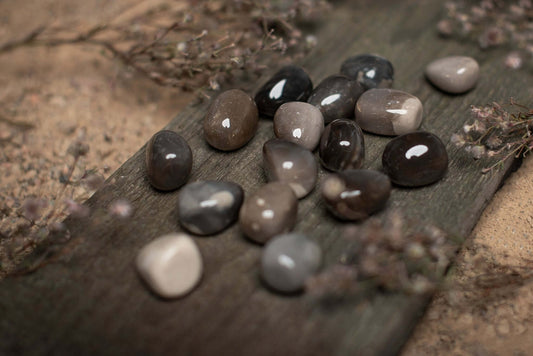
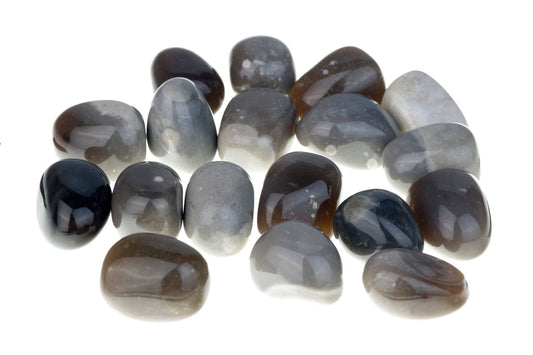
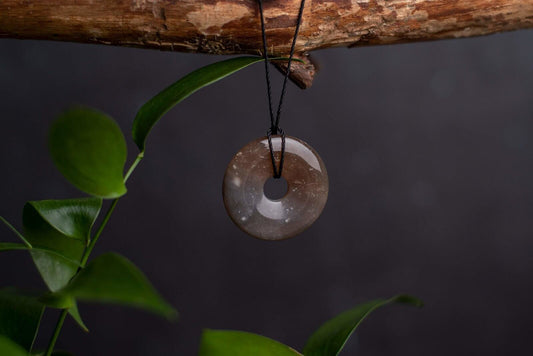
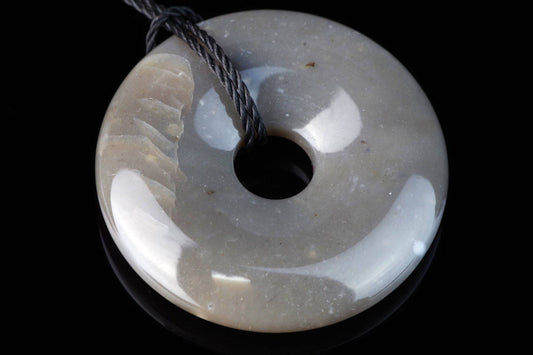
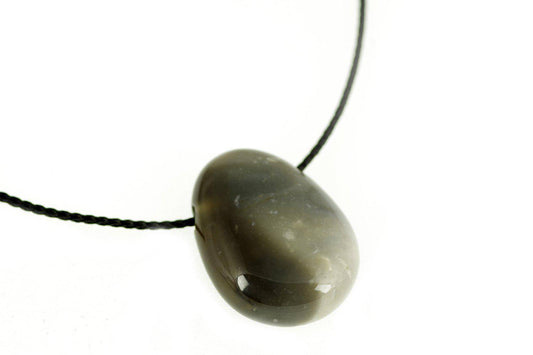
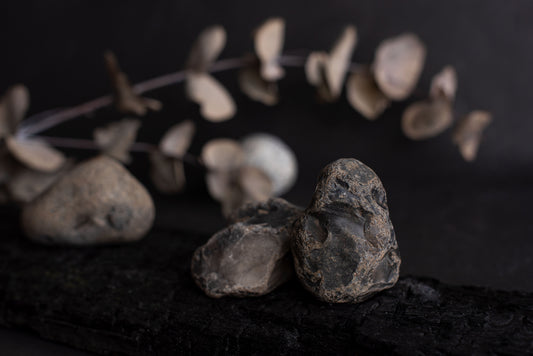
Flint is not a separate mineral species but a traditional name for especially dense, fine-grained Chert, often occurring as nodules in chalk or limestone. When struck against suitable high-carbon steel, its hard edge removes tiny metal particles that heat and ignite—the visible spark comes principally from the steel.
Flint is approximately 7 on the Mohs scale and has no cleavage, yet it is brittle and freshly broken edges may be razor-sharp. Handle fractured pieces carefully and clean them with lukewarm water, mild soap and a soft brush. Avoid dropping polished pieces or striking decorative specimens. Archaeological artefacts should not be polished, reshaped or aggressively cleaned, as their surfaces and provenance carry important information.