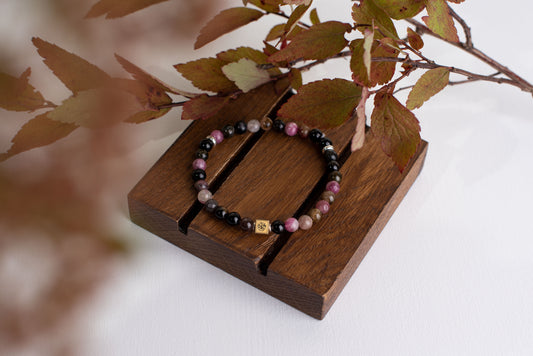
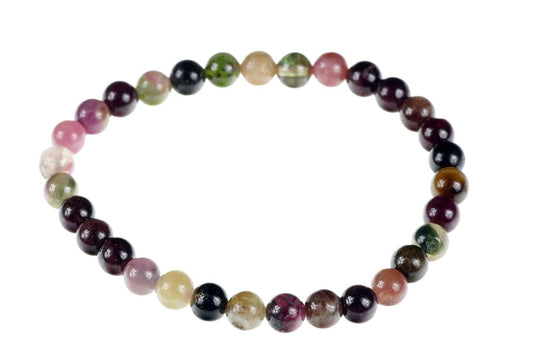
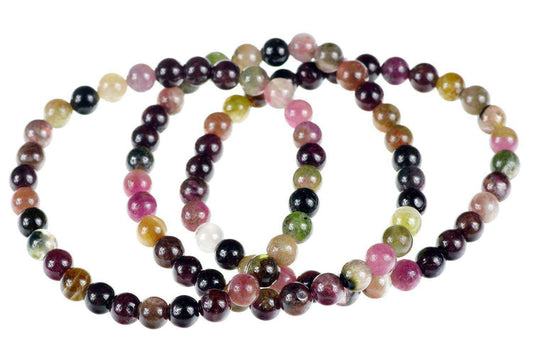
Collection: Tourmaline Multicolor

🌈

Multicolour Tourmaline — changing chemistry, living colour and an aura of integrated possibility

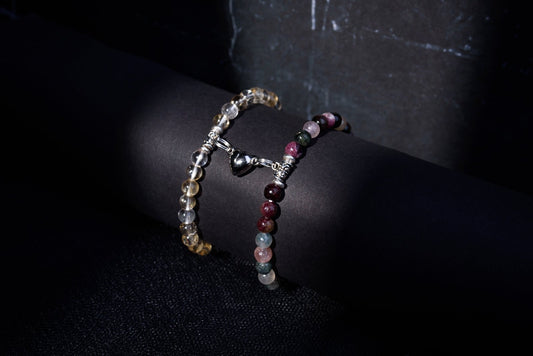
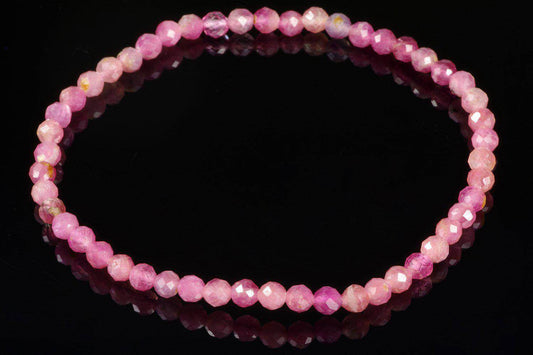
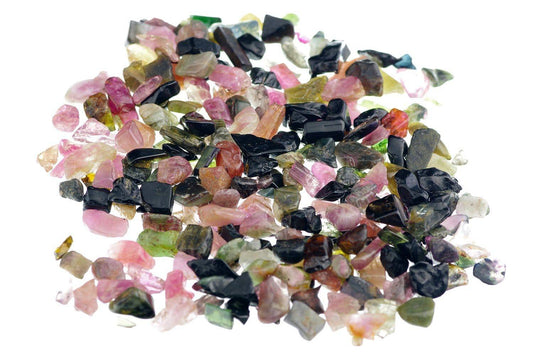
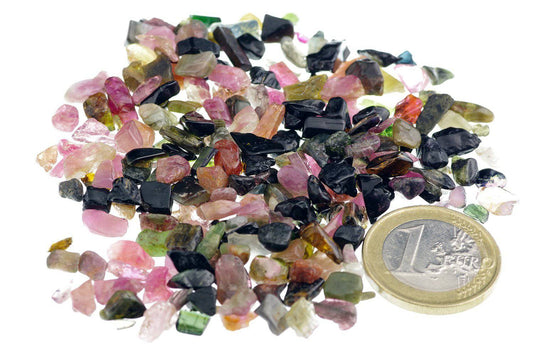
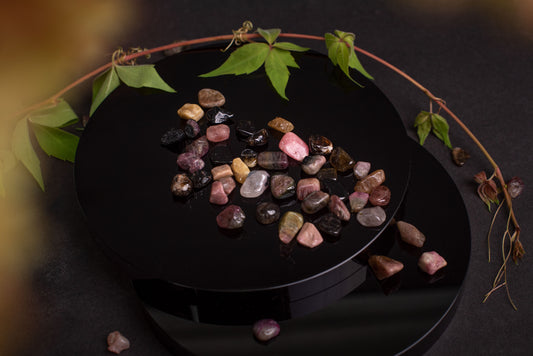
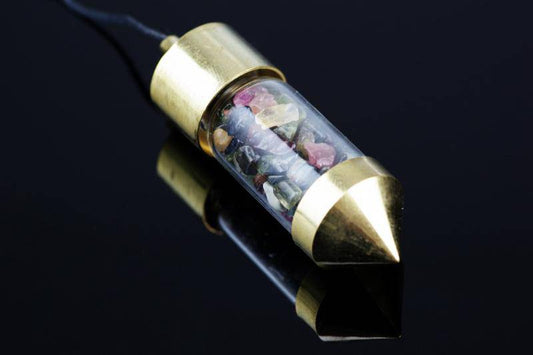
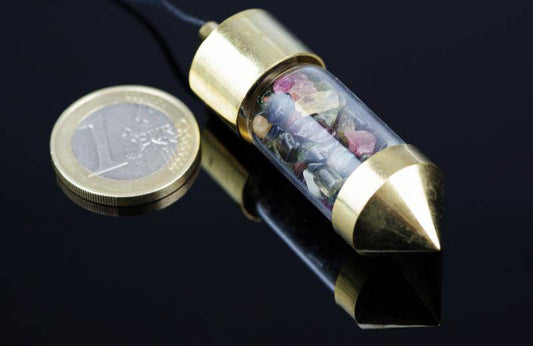
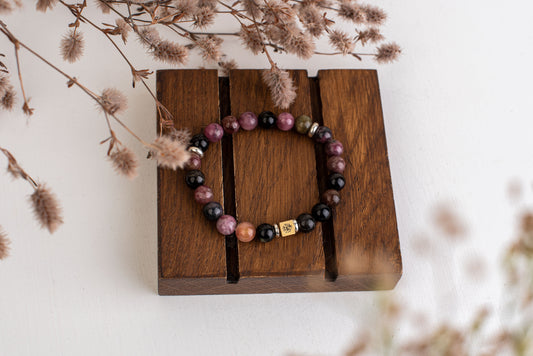
Multicolour Tourmaline is a descriptive gem-trade term for Tourmaline crystals or cut stones displaying two or more natural colour zones. These transitions develop as the surrounding growth fluid changes, allowing one crystal to preserve pink, green, blue, yellow, violet, colourless or darker regions within a continuous structure.

✨ What makes Multicolour Tourmaline special?

  • Its colours form while the crystal grows: changing trace-element concentrations, oxidation conditions and structural chemistry create successive zones rather than later surface decoration.
  • Its zoning can follow several directions: colours may change from one end to the other, form parallel bands, surround an inner core or divide the crystal into triangular sectors.
  • Its appearance changes with orientation: Tourmaline’s strong pleochroism may make individual zones appear lighter, darker or subtly different when viewed along another crystal direction.
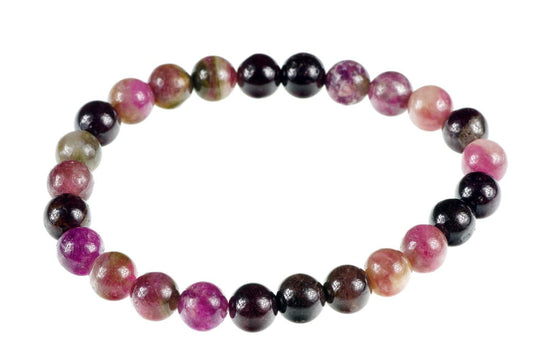
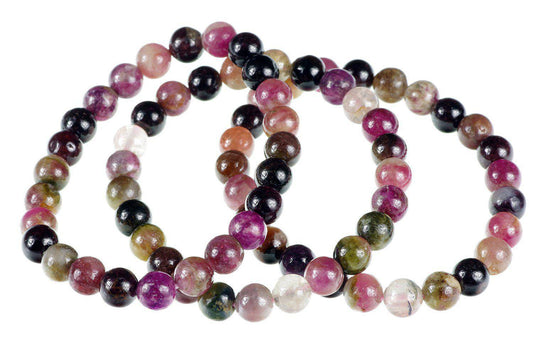
🔮 Multicolour Tourmaline aura

  • Aura of integrated possibility: Multicolour Tourmaline may represent allowing contrasting talents, feelings and ideas to become parts of one meaningful direction.
  • Aura of evolving identity: its changing zones can serve as reminders that personal growth may add new colours without erasing the earlier journey.
  • Aura of creative cooperation: its unified crystal structure may symbolise different strengths supporting one another rather than competing for the entire space.

🌈 What else makes Multicolour Tourmaline fascinating?

  • Gemologists call it parti-coloured: bicolour, tricolour and more complex stones all belong to this broad family of naturally zoned Tourmalines.
  • Watermelon Tourmaline is a special arrangement: its pink or red centre is surrounded by a pale and then green outer zone, often displayed through polished cross-sectional slices.
  • Colour does not prove the exact species: Elbaite and Liddicoatite-related material commonly show spectacular zoning, but reliable species identification may require chemical analysis.

Keep Multicolour Tourmaline nearby when different parts of a vision need room to belong together. Let its natural transitions remind you that harmony does not require everything to become identical—each colour may preserve its character while contributing to one stronger and more complete design.

Welcome every useful colour. Preserve the shared structure. Let integrated possibility reveal the fuller design.