🐉 The Lizard, serpent lore and Earth’s hidden water
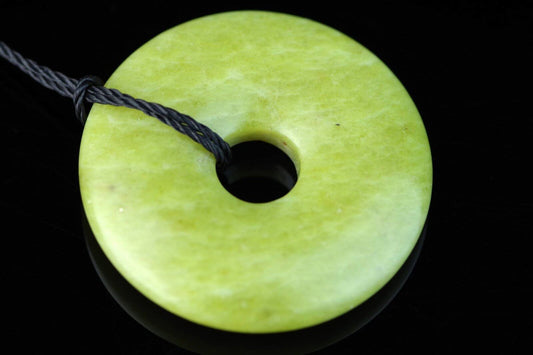
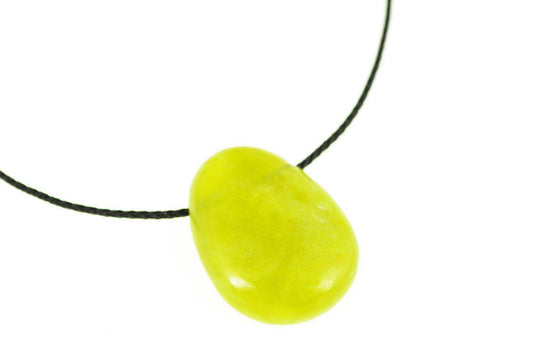
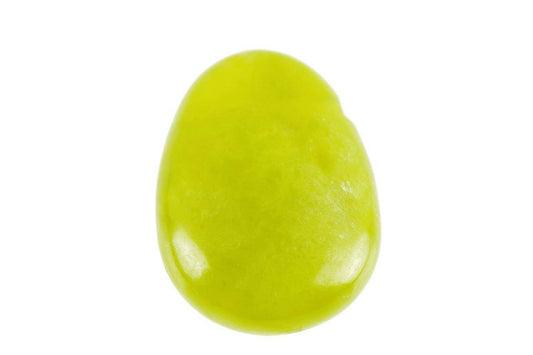
Despite the wonderfully reptilian name, Lizardite was named after the Lizard Peninsula in Cornwall, England—not after a lizard’s skin. The wider name “serpentine” does carry a snake association, inspired by the mottled green appearance of many specimens. In modern symbolic lore, this makes Lizardite an inviting emblem of shedding an old layer, renewing direction and guarding hidden pathways, although no single ancient legend belongs specifically to the mineral.
Its most remarkable story may be geological rather than mythical. Lizardite can lock water into its crystal structure as oceanic or mantle-derived rocks become serpentinite, while associated reactions may produce magnetite, heat and hydrogen. These quiet green rocks therefore help scientists investigate subduction zones, the deep-Earth water cycle and environments that may resemble some of the chemical settings connected with early life.