Collection: Coprolite

🦴

Coprolite — ancient evidence, unlikely treasure and transformation through deep time

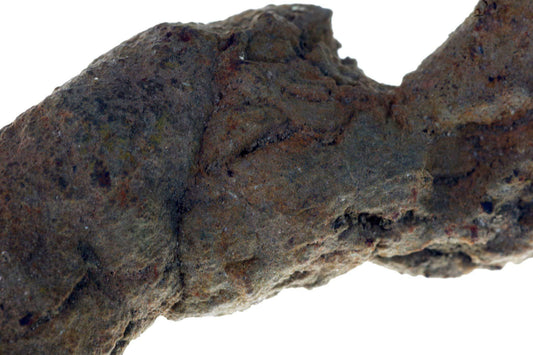
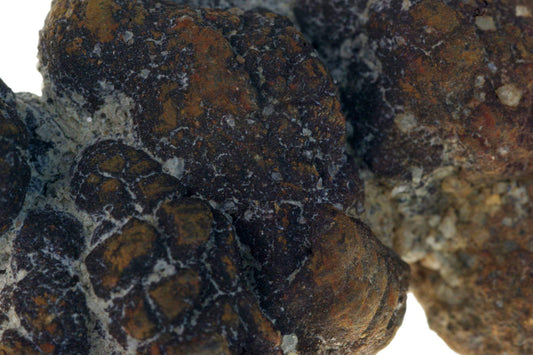
Coprolite is fossilised animal dung preserved as a trace fossil—evidence of an organism’s activity rather than part of its body. During burial and fossilisation, the original material may be replaced or cemented by phosphate, Calcite, silica, iron minerals, pyrite or clay. Some specimens preserve fragments of bone, scales, shell, plants, seeds or other food remains, turning one ordinary biological moment into a remarkable record of an ancient ecosystem.

✨ What makes Coprolite special?

  • A fossil of behaviour: Coprolite can reveal what an animal ate, how it digested food and how it interacted with its environment.
  • Clues hidden inside: bone, scales, shells, pollen, seeds and microscopic remains may survive within the mineralised mass.
  • No fixed composition: every specimen reflects its burial conditions, with hardness and appearance determined by the minerals that replaced or cemented it.

🔮 Coprolite magic

  • Transformation magic: Coprolite is a wonderfully literal reminder that even what has been discarded can become evidence, knowledge and unexpected value.
  • Hidden-lesson enchantment: its preserved contents can symbolise examining past experiences closely enough to discover what they were trying to teach.
  • Grounded-humour ritual: it reminds us that nature preserves both the magnificent and the absurd—and that history sometimes has an excellent sense of humour.

💫 Fossil lore and care

Shape alone cannot reliably prove that an object is Coprolite or identify the animal that produced it. Strong identification also considers internal food remains, digestive alteration, mineralisation and geological context. Spiral forms may relate to animals with specialised intestines, but they are not automatically evidence of a particular shark or species.

Durability varies greatly—from soft, porous carbonate or phosphate material to strongly silicified specimens approaching Quartz hardness. Prefer gentle dry cleaning with a soft brush and avoid acids, soaking, steam, ultrasonic cleaning and harsh scrubbing. Support fractured pieces carefully and preserve any locality or formation labels.

Keep Coprolite nearby when something from the past appears useless, awkward or best forgotten. Let this unlikely fossil remind you that time can transform even the least glamorous remains into knowledge—and that value is often discovered by those willing to look more closely.

Nothing is wasted. Even the past leaves clues.