Collection: Aragonite

✴️

Aragonite — radiating geometry, earthy beauty and patient transformation

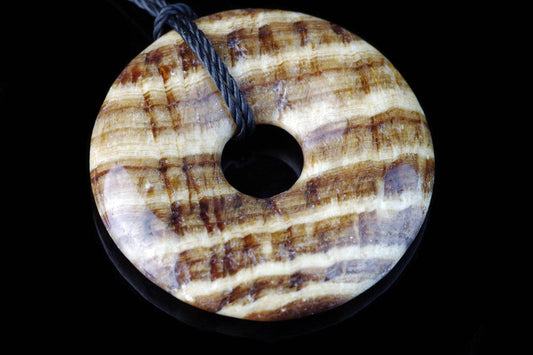
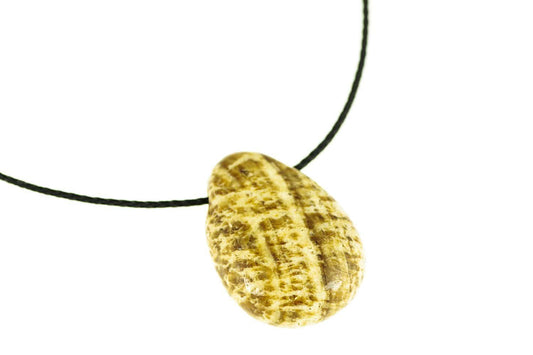
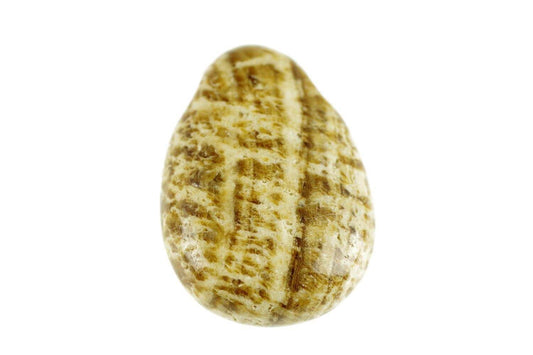
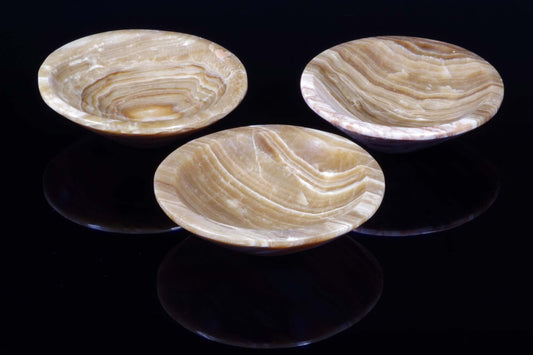
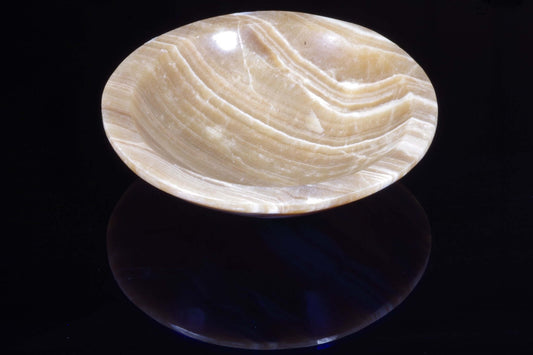
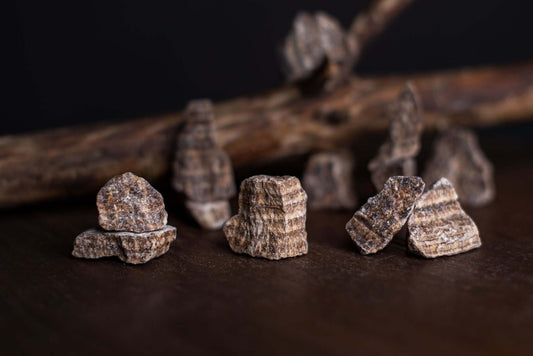
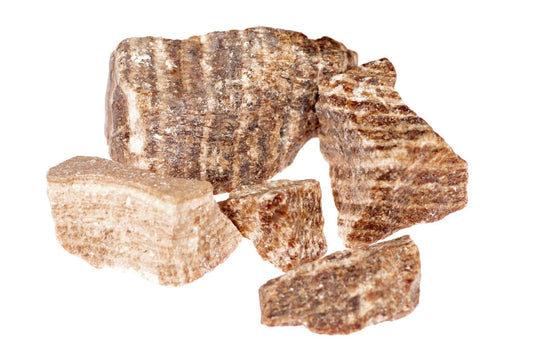
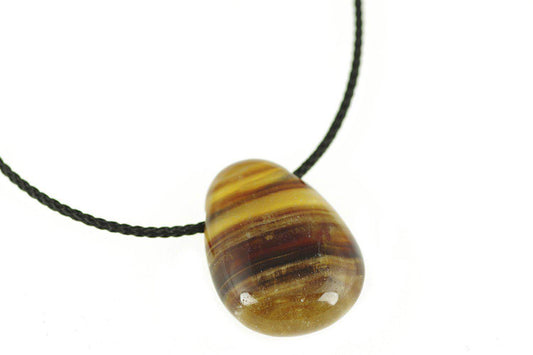
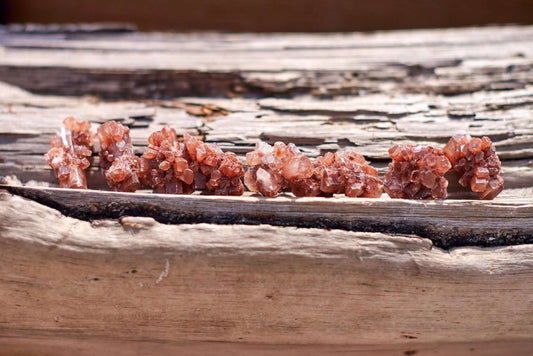
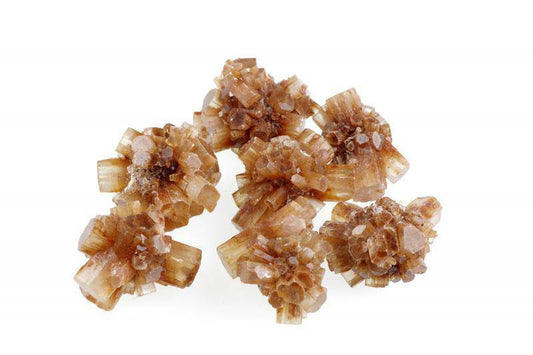
Aragonite is an orthorhombic form of calcium carbonate, sharing the same chemical composition as calcite while arranging its atoms in a different structure. It appears in white, cream, honey, brown and orange tones, as well as less common blue, green or violet varieties. Its crystals may grow as slender needles, branching sprays, coral-like clusters, fibrous formations or striking pseudohexagonal twins.

✨ What makes Aragonite special?

  • Distinct crystal structure: Aragonite and calcite are both calcium carbonate, yet their atoms form different internal arrangements.
  • Remarkable natural forms: specimens may resemble stars, flowers, coral branches, radiating needles or layered cave formations.
  • Wide geological presence: Aragonite can form in caves, hot springs, marine sediments and the shells or skeletons of living organisms.
🔮 Symbolism and metaphysical meaning

  • Grounded organisation: traditionally associated with creating structure, simplifying priorities and building steadier routines.
  • Patient development: its radiating growth can serve as a reminder that many small, consistent steps may support one larger purpose.
  • Adaptation with stability: symbolically connected with responding to change while remaining anchored in personal values.

💫 Did you know?

Aragonite crystals frequently form repeated twins that imitate six-sided symmetry, even though the mineral itself belongs to the orthorhombic crystal system.

Aragonite measures approximately 3.5–4 on the Mohs scale and reacts with acids. Protect delicate clusters from impact, moisture, perfume and household cleaners, and remove dust gently with a soft, dry brush.

Keep Aragonite nearby as a reminder that order does not need to feel rigid—many individual directions can still grow from one stable centre.

Steady centre. Expanding possibility.