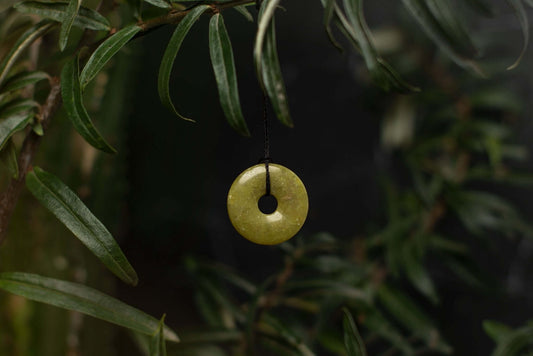
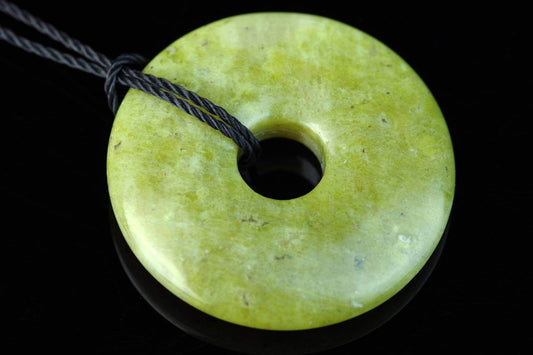
Collection: Burma Jade

💚

Burma Jade — interlocking strength, hidden colour and an aura of enduring value

Burma Jade is a historic geographic trade name generally used for Jadeite associated with Myanmar, formerly Burma. Unlike fibrous Nephrite, Jadeite forms a tightly interlocking mosaic of pyroxene grains. Myanmar material is celebrated for vivid green, lavender, white, yellow, red-orange, grey, black and multicoloured forms, ranging from softly opaque carvings to remarkably translucent gems.

✨ What makes Burma Jade special?

  • Strength through interlocking grains: its compact crystalline mosaic redirects fractures, giving well-formed Jadeite exceptional toughness despite its refined appearance.
  • Colour concealed beneath stone: rough boulders may carry weathered outer skins that reveal little of the green, lavender or pale translucent material hidden within.
  • Texture transforms the light: fine-grained Jadeite can transmit a soft inner glow, while coarser material appears cloudier, more granular or distinctly mottled.

🔮 Burma Jade aura

  • Aura of enduring value: Burma Jade is traditionally associated with preserving relationships, principles and carefully built work through changing circumstances.
  • Aura of connected strength: its interlocking grains may represent resilience created when many smaller supports share pressure instead of leaving one point to carry everything.
  • Aura of hidden possibility: the colour concealed beneath a weathered boulder can serve as a reminder that present appearances may reveal only a small part of what patient exploration could uncover.

💫 Hidden-colour lore and care

“Burma Jade” describes claimed geographic origin rather than a separate mineral species or quality grade, and Myanmar origin should be supported by reliable documentation when it matters. It is not automatically “Imperial Jade”, a term reserved for exceptionally fine, vivid green and highly translucent Jadeite. Origin, quality and treatment status are three separate questions.

Jadeite measures approximately 6.5–7 on the Mohs scale and is exceptionally tough, but fissures, thin edges and repairs can still break under impact. Clean gently with lukewarm water, mild soap and a very soft cloth or brush, then dry thoroughly. Avoid acids, solvents, strong heat, steam, ultrasonic cleaning and prolonged soaking, especially for dyed, bleached, polymer-impregnated, coated, backed or repaired pieces.

Keep Burma Jade nearby when something meaningful must be discovered carefully and carried forward responsibly. Let its hidden colour and interlocking structure remind you that lasting value is often revealed gradually—and preserved through every connection surrounding it.

Look beneath the surface. Strengthen what should endure.